What Certificate Do I Need From New York State
What Certificate Do I Need From New York State
If you work in New York State, then you must be certified by the New York State Department of Labor Asbestos Control Bureau Asbestos Licensing and Certification Unit (memorandum on New York City Asbestoswork).
In addition, New York City Department of Environmental Protection certified asbestos investigators, like all disciplines, must complete annual refresher training, regardless of the expiration date of their New York City Department of Environmental Protection or New York State Department of Labor certifications. This policy is outlined in the Asbestos Safety Training Program Memorandum 2009-01.
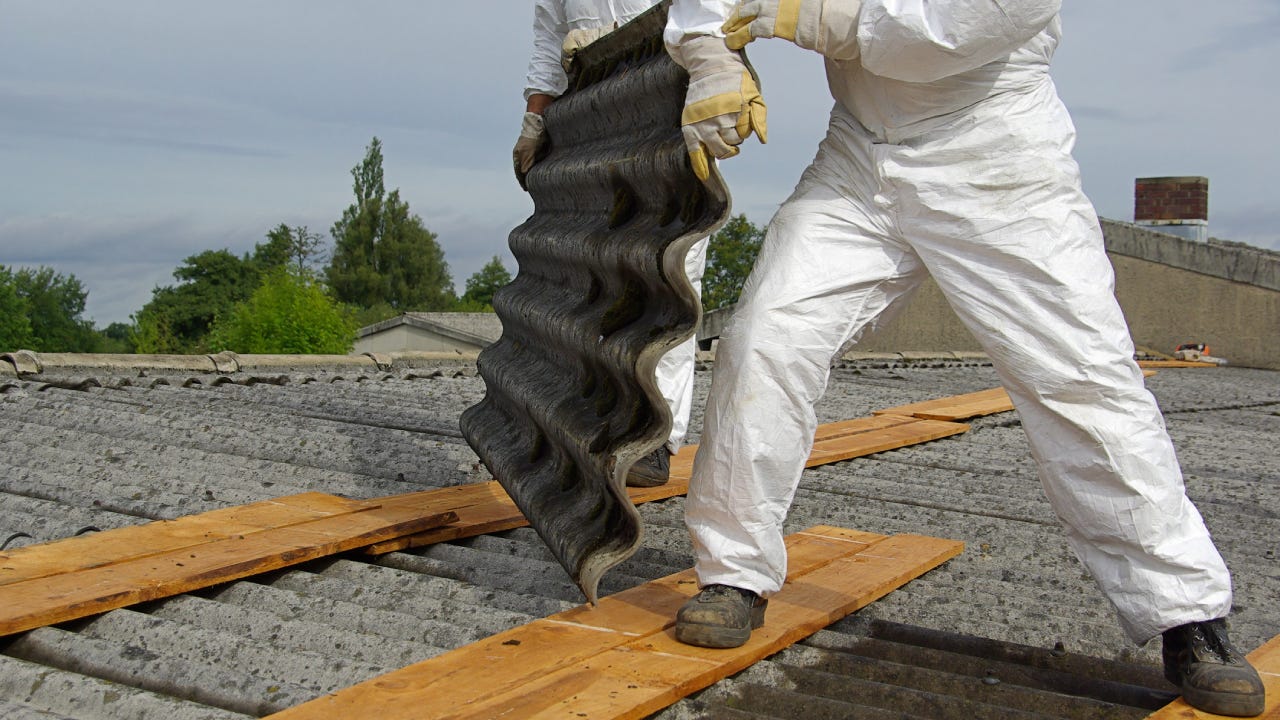
Knowing the dangers of asbestos
Because asbestos is a well-known carcinogen and can be inhaled or eaten, it poses a danger to your health. While asbestos use in America isn't prohibited, it is not banned. However, asbestos-containing materials (ACM) still pose a danger to the public because they were common building products in homes, schools and other structures built before the 1980s.
Abatement of asbestos involves the removal of products or materials from a structure in order to reduce the risk of being exposed to harmful asbestos fibers. A professional company can handle this task.
Asbestos Program
Asbestos is a natural mineral fiber that is mined from the Earth. It was used in many common building materials for its strength and durability, insulation properties, and fire resistance.
Today, asbestos materials look much different. Asbestos is found in many building materials, including but not limited to, drywall systems, textures, plasters, pipe insulation, metal air ducts, blown-in insulation, flooring, roofing, caulking, and sealant, inside boilers, pipe chases, and fireplaces.
Asbestos can be dangerous to both the environment as well as human health. Microscopic fibers are released into the air when the materials are disturbed. Inhaled fibers may cause damage to the lungs.
Most building materials that contain asbestos are usually not hazardous if they are in good condition and are not disturbed or touched. However, during general renovation/remodel or demolition work, these asbestos materials can be impacted and release asbestos fibers into the air.